Choosing the right yoga teacher training school in India can be difficult, especially when you find hundreds of courses online. Schools may offer 100-hour, 200-hour, 300-hour and 500-hour programs, but the course duration and price are only part of the decision.
A good yoga teacher training program should give you proper practical experience, qualified teachers, a structured curriculum and a certification that matches your future goals.
If you are planning to join Yoga Teacher Training in India, here are the main things to check before enrolling.

1. Check the School’s Registration and Certification
One of the first things to check is whether the school has an established registration with a recognised yoga organisation.
For students specifically looking for Yoga Alliance certified yoga teacher training in India, check the school's status directly in the Yoga Alliance directory. Yoga Alliance states that students seeking the RYT 200 credential need to complete a 200-hour training with a Registered Yoga School (RYS 200).
Do not choose a school only because its website says “internationally certified.” Check what the certification actually means and what you will be eligible to do after completing the course.
2. Choose the Right Course Duration
The next question is: which yoga teacher training course is right for you?
The most common options include:
- 100-hour yoga teacher training
- 200-hour yoga teacher training
- 300-hour yoga teacher training
- 500-hour yoga teacher training
A 200-hour yoga teacher training course is often considered a starting point for students who want comprehensive foundational teacher training. Students who already have training and experience may consider an advanced 300-hour program.
A 500-hour program generally involves more extensive study and may combine foundational and advanced training.
Do not automatically choose the course with the highest number of hours. Consider your current experience, available time and long-term career plans.
3. Look at the Complete Yoga Teacher Training Curriculum
A strong yoga teacher training course in India should cover more than physical postures.
Before enrolling, look at the syllabus and check whether it includes subjects such as:
- Asana practice
- Pranayama
- Meditation
- Yoga philosophy
- Anatomy and physiology
- Teaching methodology
- Alignment and adjustments
- Mantra and chanting
- Ethics
- Teaching practice
You should also check how much time is actually dedicated to each subject.
A detailed curriculum can tell you much more about the quality of a program than a long list of yoga styles on the homepage.
4. Research the Teachers
Your teachers will have a major influence on your training experience.
Look for information about their education, teaching experience, certifications and areas of expertise. If a school does not provide any information about its instructors, consider contacting the school before making a decision.
You can also look for teacher profiles, interviews, articles, videos or student feedback to understand their teaching approach.
The goal is not simply to find a school with famous teachers. You want teachers who can explain practices clearly, answer questions and provide useful feedback during teaching practice.
5. Compare What Is Included in the Course Fee
Do not compare yoga teacher training fees in India based only on the advertised price.
Different schools include different services in their packages. Some residential programs include accommodation, meals, course materials and certification, while others charge separately for certain services. Current Rishikesh programs show significant differences in pricing depending on accommodation and what the package includes.
Before paying a deposit, ask:
- Is accommodation included?
- Are meals included?
- Are course materials included?
- Is certification included?
- Is airport pickup available?
- Are there additional registration fees?
- What expenses are not included?
This gives you a more realistic idea of the yoga teacher training cost in India.
6. Consider the Location
Location can affect your overall experience.
For many international students, Yoga Teacher Training in Rishikesh is attractive because Rishikesh has a long association with yoga and offers a large number of yoga schools and teacher training programs.
However, choosing Rishikesh does not automatically mean choosing the right school. Compare schools within the city based on their curriculum, teachers, accommodation, student reviews and certification.
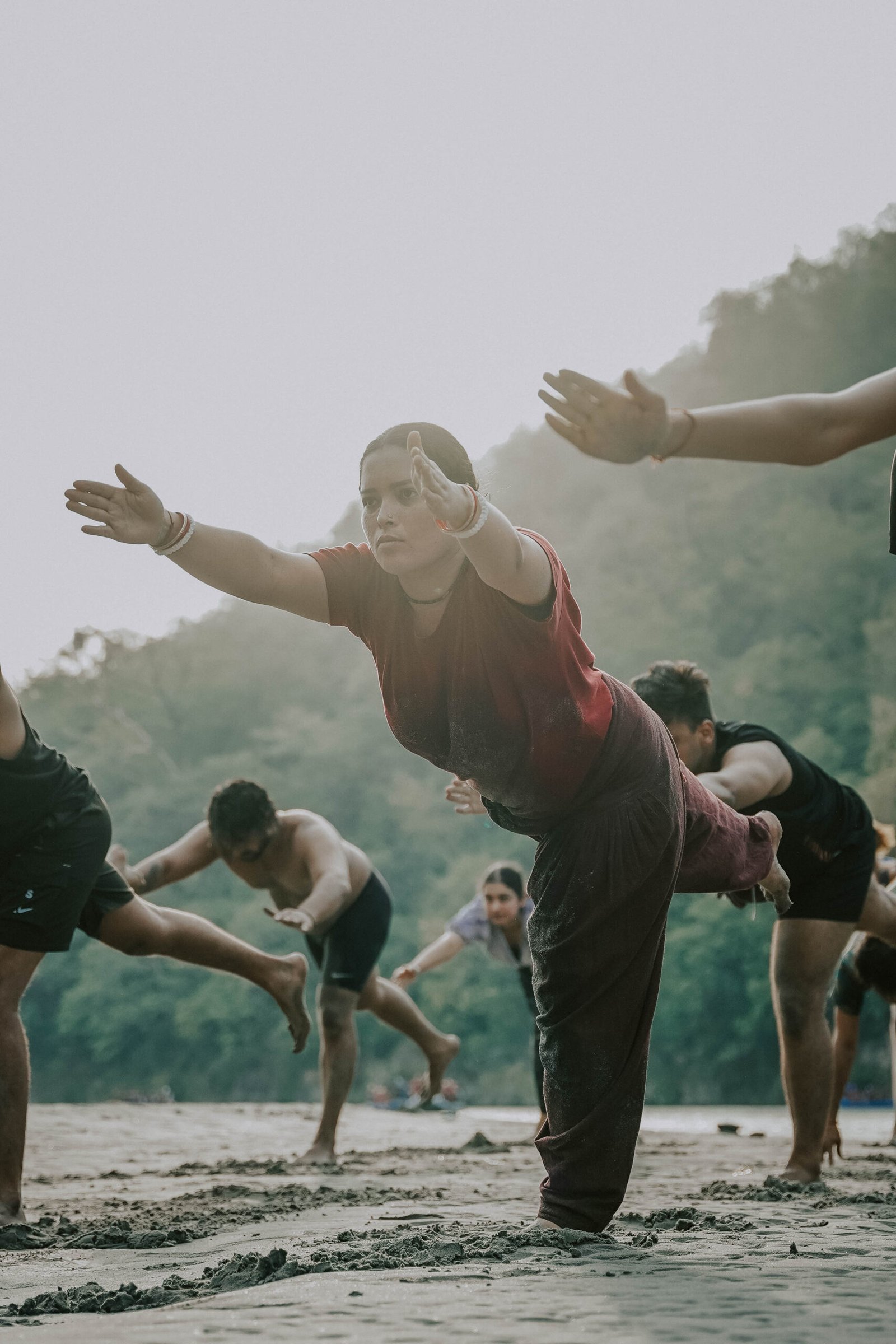
Think about the type of environment in which you will learn best. Some students prefer a traditional ashram environment, while others may prefer a more modern yoga school.
7. Read Recent Student Reviews
Student reviews can help you understand what the course is actually like.
Look beyond the star rating. Read individual reviews and look for comments about:
- Teachers
- Teaching quality
- Course schedule
- Accommodation
- Food
- Cleanliness
- Student support
- Practical teaching experience
Try to find reviews from recent students because schools, teachers, facilities and course structures can change over time.
You can also check whether reviews are available on independent platforms rather than relying only on testimonials published on the school's own website.
8. Check the Daily Schedule
A yoga teacher training course can be intensive. Before booking, check what a typical day looks like.
A residential program may begin early in the morning with meditation, pranayama or asana practice and continue with philosophy, anatomy, teaching methodology and self-study.
For example, some current Rishikesh programs run structured schedules from early morning until evening, combining practical classes, philosophy, teaching practice and self-study.
Knowing the schedule beforehand helps you understand whether the course fits your expectations and physical routine.
9. Check Accommodation and Food
If you are joining a residential 200-hour yoga teacher training in India, accommodation will become part of your daily learning environment.
Ask about:
- Private or shared rooms
- Dormitory options
- Attached bathrooms
- Wi-Fi
- Laundry facilities
- Vegetarian meals
- Drinking water
- Housekeeping
- Distance from classrooms
Accommodation can also make a significant difference to the total course price, so compare the actual facilities rather than simply choosing the cheapest package.
10. Understand the Certification You Will Receive
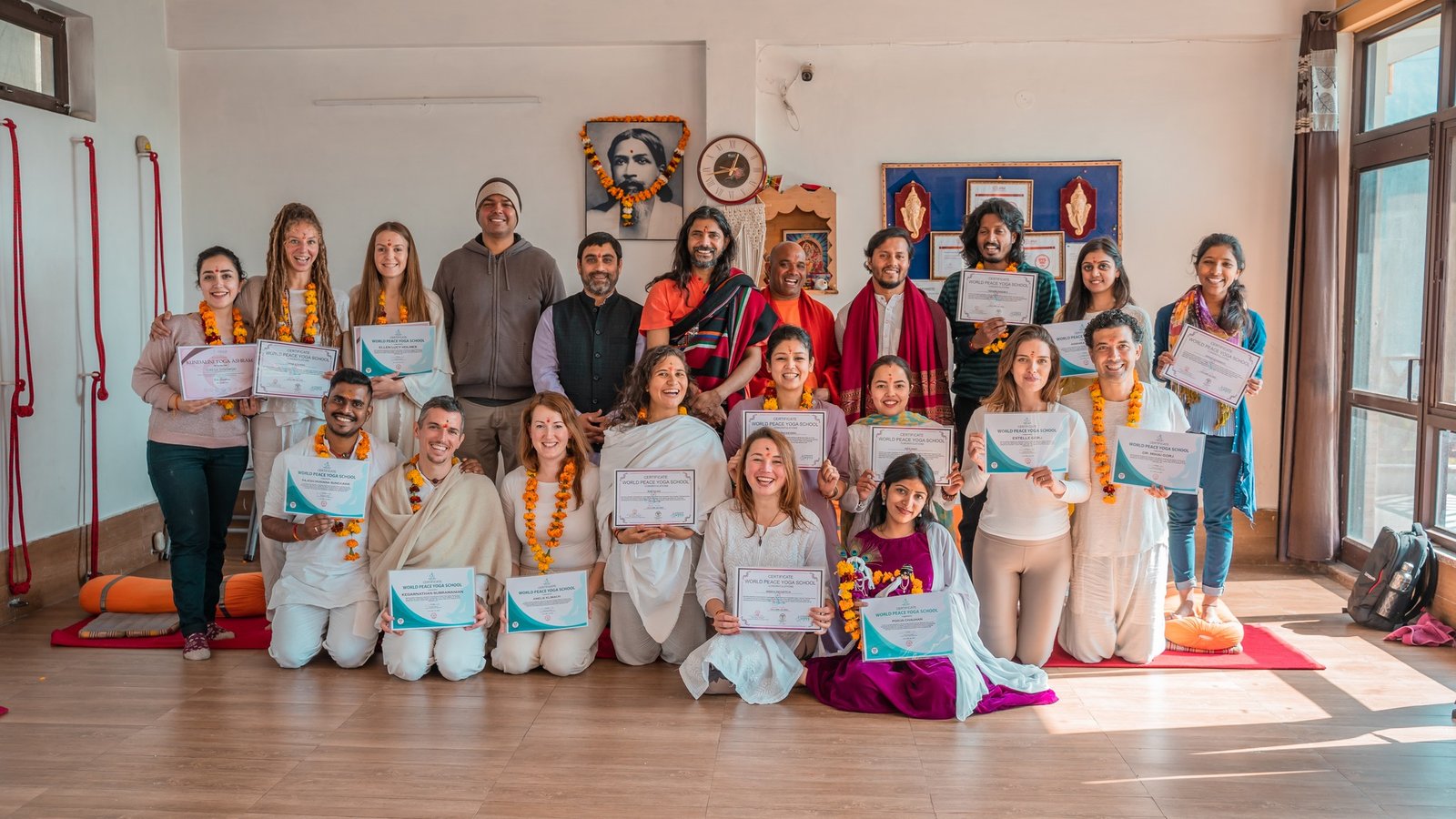
Before enrolling, ask exactly what certificate you receive after completing the program.
If your goal is to pursue Yoga Alliance registration, make sure the training meets the applicable requirements. Yoga Alliance's current standards specify that RYT 200 applicants need to complete a 200-hour training registered with an RYS 200.
Also remember that completing a course and becoming individually registered are not necessarily the same thing. Understand the process before paying your course fee.
11. Ask About the Class Size
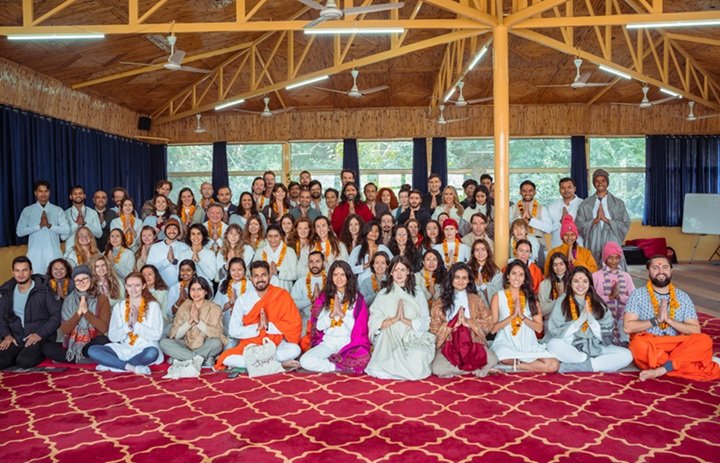
Class size can affect how much individual attention you receive.
A very large class may make it harder for teachers to observe your alignment, answer individual questions or provide feedback during teaching practice.
Ask the school about its typical batch size and teacher-to-student ratio. A smaller or appropriately sized group may provide more opportunities for interaction and practical teaching.
12. Don’t Choose a School Only Because It Is Cheap
Price matters, but it should not be the only deciding factor.
Current 2026 course listings in Rishikesh show a wide range of fees for 200-hour programs, with differences based on accommodation, facilities, curriculum and school.
Instead of asking, “Which is the cheapest yoga teacher training in India?”, ask:
“What am I getting for the price I am paying?”
A slightly higher fee may be worthwhile if the program provides experienced teachers, proper teaching practice, suitable accommodation and a comprehensive curriculum.
Choosing a Yoga Teacher Training School: A Simple Checklist
Before making your final decision, compare at least three schools and check:
- School registration and certification
- Course duration
- Curriculum
- Teacher experience
- Student reviews
- Accommodation
- Food
- Class size
- Daily schedule
- Total course fees
- Additional expenses
- Certification process
- Location
- Support for international students
Samadhi Yoga Ashram offers 100-hour, 200-hour, 300-hour and 500-hour yoga teacher training programs in India, giving students different options based on their experience and training goals.
Final Thoughts
Choosing the right yoga teacher training school in India is about finding a program that matches your goals, budget, experience and preferred learning environment.
Do not make your decision based only on the course price, location or a school's marketing claims. Research the teachers, compare the curriculum, verify certification, read recent reviews and understand exactly what is included in the fee.
If you are considering Yoga Teacher Training in Rishikesh, take time to compare different schools before booking. The right program should give you a strong foundation in yoga practice, philosophy and teaching skills while preparing you for the next stage of your yoga journey.