 Skin problems have a frustrating habit of coming back. You treat a flare-up, it settles down, and then a few months later it returns — sometimes worse than before. If you've dealt with psoriasis, eczema, chronic acne, or an allergy that never seems to fully go away, you already know this cycle well.
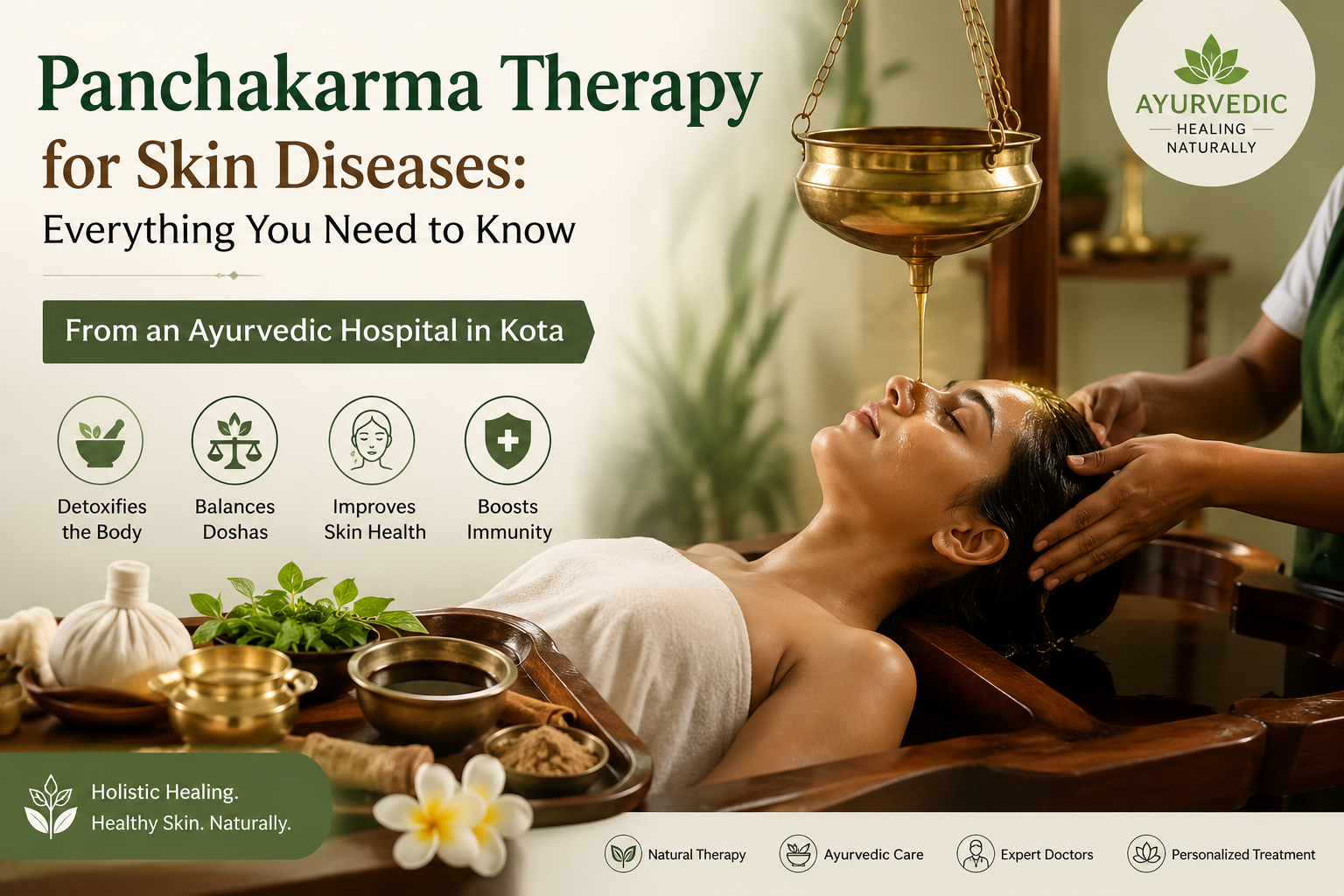
Modern dermatology treats the skin as an isolated organ. Ayurveda takes a different view: it treats skin disease as a signal that something deeper in the body is out of balance. This is where Panchakarma therapy for skin diseases comes in — a structured, centuries-old Ayurvedic detoxification approach that aims to address the root imbalance rather than just calming the surface symptoms.
This guide breaks down what Panchakarma actually involves, why skin diseases tend to become chronic, and what to consider if you're thinking about exploring this treatment path.
What Is Panchakarma?
Panchakarma literally translates to “five actions” or “five therapies.” It's one of the oldest documented systems of internal cleansing in Ayurvedic medicine, described in classical texts thousands of years old, and it's still practiced in much the same spirit today — refined with modern hygiene and diagnostic standards.
The core idea is simple: the body accumulates metabolic waste (called “ama” in Ayurveda) over time due to poor digestion, stress, environmental exposure, and lifestyle habits. When this waste isn't cleared efficiently, it's believed to build up in tissues and disturb the three doshas — Vata, Pitta, and Kapha — that Ayurveda uses to describe individual constitution and balance.
Panchakarma is a sequence of therapies designed to loosen, mobilize, and eliminate this accumulated waste from the body, while also recalibrating digestion and dosha balance. It isn't a single treatment — it's a supervised process typically involving internal oleation, therapeutic sweating, and one or more of the five main elimination procedures (vamana, virechana, basti, nasya, and raktamokshana), depending on what a practitioner determines the individual needs.
Why Skin Diseases Occur: Two Perspectives
The Modern View
Conventional medicine generally explains chronic skin conditions through a mix of genetics, immune system dysregulation, and environmental triggers:
- Psoriasis is considered an autoimmune condition where skin cells regenerate too quickly.
- Eczema (atopic dermatitis) is linked to a compromised skin barrier and immune hypersensitivity.
- Vitiligo involves the loss of melanin-producing cells, often with an autoimmune component.
- Skin allergies are typically immune responses to specific triggers — food, pollen, dust, or chemicals.
- Acne is usually tied to hormonal activity, excess oil production, and clogged pores.
The Ayurvedic View
Ayurveda frames most chronic skin diseases as disorders rooted primarily in aggravated Pitta dosha, often combined with impaired digestion (Agni) and accumulated toxins that surface through the skin — since skin is considered a mirror of internal health, particularly of blood and digestive tissue quality.
This is why Ayurvedic practitioners often ask detailed questions about diet, digestion, sleep, and stress before even examining the skin itself — the visible condition is treated as a downstream symptom, not the starting point.
Neither perspective necessarily contradicts the other. Many people find it useful to view Ayurveda as addressing the internal terrain, while continuing appropriate medical monitoring for their specific diagnosis.
How Panchakarma May Support Skin Health
Panchakarma is traditionally used in Ayurveda to work on several fronts simultaneously, rather than targeting the skin in isolation:
- Detoxification — Elimination therapies aim to clear accumulated toxins that Ayurveda considers contributors to chronic inflammation and skin flare-ups.
- Dosha balance — Since most skin disorders are associated with Pitta aggravation, treatments are chosen to pacify and rebalance the doshas specific to the individual's condition.
- Digestive health — A significant part of Panchakarma focuses on restoring healthy Agni (digestive fire), since Ayurveda considers poor digestion a major root cause of toxin buildup.
- Immune support — Rejuvenation therapies (Rasayana) that often follow the elimination phase are traditionally used to help strengthen the body's resilience.
- Overall wellness — Many people report improved sleep, digestion, and energy levels alongside any changes in skin condition.
It's important to be realistic here: Panchakarma is not a guaranteed cure, and results vary significantly from person to person depending on the condition, its severity, duration, and how closely the recommended protocol and post-treatment lifestyle guidance are followed. Chronic autoimmune skin conditions in particular usually require an individualized, long-term approach rather than a single course of treatment.
The Panchakarma Procedure: What to Expect
Panchakarma is typically structured in three phases.
1. Purvakarma (Preparation)
This preparatory phase readies the body for deeper detoxification. It usually includes:
- Snehana (oleation) — Internal and external application of medicated oils to loosen toxins from tissues.
- Swedana (therapeutic sweating) — Steam-based treatments that help liquefy toxins so they can move toward the digestive tract for elimination.
2. Pradhankarma (Main Therapies)
This is the core elimination phase, where the practitioner selects specific procedures based on the individual's constitution and condition. For skin diseases, commonly used therapies include:
- Virechana (therapeutic purgation) — Often considered particularly relevant for Pitta-related skin conditions like psoriasis and acne.
- Vamana (therapeutic emesis) — Used for certain Kapha-related skin and respiratory conditions.
- Raktamokshana (blood purification therapy) — Traditionally used for conditions where impure blood is considered a contributing factor, such as chronic eczema or persistent allergic skin reactions.
- Basti (medicated enemas) — Used to balance Vata and support overall detoxification, particularly in chronic, long-standing cases.
3. Paschatkarma (Recovery and Aftercare)
After the main therapies, a structured recovery phase follows. This typically involves a gradual reintroduction of food (Samsarjana Krama), lifestyle guidelines, and often herbal formulations to consolidate results and prevent toxins from re-accumulating. This phase is frequently underestimated but is considered essential to how well the treatment holds over time.
Who May Benefit From Panchakarma?
Panchakarma may be worth exploring for people who:
- Have chronic or recurring skin conditions that haven't responded well to standard topical treatments alone
- Are looking for a complementary approach alongside their existing dermatological care
- Want to address digestive and lifestyle factors they suspect are connected to their skin health
- Are generally in stable health and able to commit to a structured, sometimes multi-week treatment and recovery process
Panchakarma is not appropriate for everyone. People who are pregnant, medically frail, dealing with acute infections, or managing certain chronic illnesses need careful evaluation before undergoing these therapies. This is why a proper consultation and diagnosis by a qualified Ayurvedic practitioner — ideally in coordination with your treating physician if you have an existing diagnosis — is a necessary first step rather than an optional one.
Choosing an Ayurvedic Hospital for Skin Treatment
If you're considering Panchakarma for a skin condition, the hospital and practitioner you choose matters as much as the therapy itself. A few practical things worth checking:
- Qualified practitioners — Look for BAMS-qualified doctors with specific experience in Panchakarma and dermatological conditions, not just general Ayurvedic practice.
- Proper diagnosis before treatment — A credible clinic will assess your specific dosha imbalance, medical history, and condition severity before recommending a protocol, rather than offering a one-size-fits-all package.
- Hygiene and infrastructure — Panchakarma involves oils, steam, and sometimes invasive procedures, so cleanliness and proper facilities matter.
- Transparent communication about outcomes — Be cautious of any hospital that promises guaranteed or quick cures for chronic autoimmune conditions; genuine practitioners will set realistic, individualized expectations.
- Post-treatment support — Since aftercare is a critical part of Panchakarma's effectiveness, ask what ongoing guidance is provided once the in-hospital phase ends.
In Kota, Punarnav Ayurveda Panchkarma and Skin Care Hospital is one option offering Panchakarma and dedicated skin care treatment for conditions including psoriasis, eczema, vitiligo, and chronic allergies. As with any Ayurvedic hospital, it's worth having a direct consultation to understand what an individualized Panchakarma treatment plan would look like for your specific condition before proceeding.
Frequently Asked Questions
Can Panchakarma help with psoriasis? Panchakarma is traditionally used to help manage psoriasis symptoms by addressing Pitta imbalance and internal toxin accumulation, which Ayurveda considers root contributors to the condition. It's generally used as part of a longer-term management approach rather than a one-time fix, and results vary by individual.
Is Panchakarma painful? Most Panchakarma procedures are not painful, though some — like therapeutic purgation or blood purification therapy — can involve temporary discomfort or fatigue as the body eliminates toxins. A qualified practitioner will explain what sensations to expect for each specific therapy.
How many sessions are usually recommended? This varies widely based on the condition, its severity, and individual constitution. Some people undergo a single structured course of 7–21 days, while chronic conditions may require repeated courses over months. Your practitioner should give you a plan tailored to your case rather than a generic number.
Is Panchakarma suitable for everyone? No. Pregnant women, people with certain acute illnesses, and those in a medically fragile state generally need modified approaches or should avoid certain Panchakarma procedures altogether. A thorough consultation is necessary before starting treatment.
How should I prepare before treatment? Preparation typically includes dietary adjustments, avoiding certain foods and habits, and sometimes a preliminary oleation routine at home. Your practitioner will usually provide specific pre-treatment instructions based on the therapies planned for you.
Will my skin condition come back after Panchakarma? This depends heavily on the individual, the condition, and how well post-treatment lifestyle and dietary guidance is followed. Ayurveda considers aftercare and ongoing lifestyle alignment just as important as the treatment itself for sustaining results.
How do I choose an Ayurvedic hospital in Kota? Look for qualified BAMS practitioners with specific experience treating skin conditions, proper diagnostic consultation before treatment, transparent communication about realistic outcomes, and good hygiene standards. Avoid any clinic promising guaranteed cures for chronic conditions.
Can Panchakarma be combined with ongoing dermatology treatment? Many people use Ayurvedic and conventional treatments alongside each other. If you're currently under a dermatologist's care, it's advisable to keep them informed and consult both practitioners before making changes to your existing treatment plan.
Conclusion
Chronic skin conditions are rarely just a “skin problem” — and that's precisely the lens Ayurveda uses when approaching them. Panchakarma therapy for skin diseases works on the premise that lasting change in the skin often starts with detoxification, digestive balance, and dosha correction happening beneath the surface.
That said, no responsible practitioner will promise a guaranteed cure, especially for autoimmune or long-standing conditions like psoriasis or vitiligo. What Panchakarma can offer is a structured, individualized approach that many people find complements their existing care.
If you're based in or around Kota and considering this path, it's worth having a proper consultation with a qualified Ayurvedic practitioner to understand whether Panchakarma is suitable for your specific condition. Hospitals such as Punarnav Ayurveda Panchkarma and Skin Care Hospital offer dedicated consultations for skin-related concerns — visiting their website or booking an assessment is a reasonable first step if you'd like personalized guidance rather than generic advice.