The easiest way to make everyday food taste more interesting is often to use the right spice blends. Instead of measuring several individual spices for every recipe, a well-made blend brings complementary flavors together in a practical format. From biryani and roasted vegetables to popcorn, grilled meats, soups, and even tea, the right seasoning can add depth without making cooking complicated.
Zaica Life takes this idea a step further by focusing on natural teas and spices sourced through small farm partnerships. Based in Ann Arbor, Michigan, Zaica Life brings together ingredients with distinct aromas, textures, and culinary traditions so home cooks can explore more flavor with less guesswork.
What Are Spice Blends and Why Do They Matter?
A spice blend is a carefully combined mix of spices, herbs, salts, or other seasonings designed to create a balanced flavor profile.
The concept is simple, but the balance matters. Different spices contribute different characteristics: cumin can bring earthy warmth, cinnamon adds sweetness and aromatic depth, black pepper provides heat, while coriander can contribute citrusy and nutty notes.
The U.S. Food and Drug Administration describes spices generally as aromatic plant substances used primarily for seasoning, whether whole, broken, or ground.
A thoughtfully prepared blend saves time while giving a dish more complexity than a single seasoning can provide.
How Do You Choose the Right Blend for Your Cooking?
Start with the type of food you cook most often, then choose a seasoning that complements its main ingredients.
For example, someone who frequently prepares rice dishes might prefer a biryani-focused blend, while a person who cooks vegetables and grilled foods may find a Mediterranean or BBQ seasoning more useful.
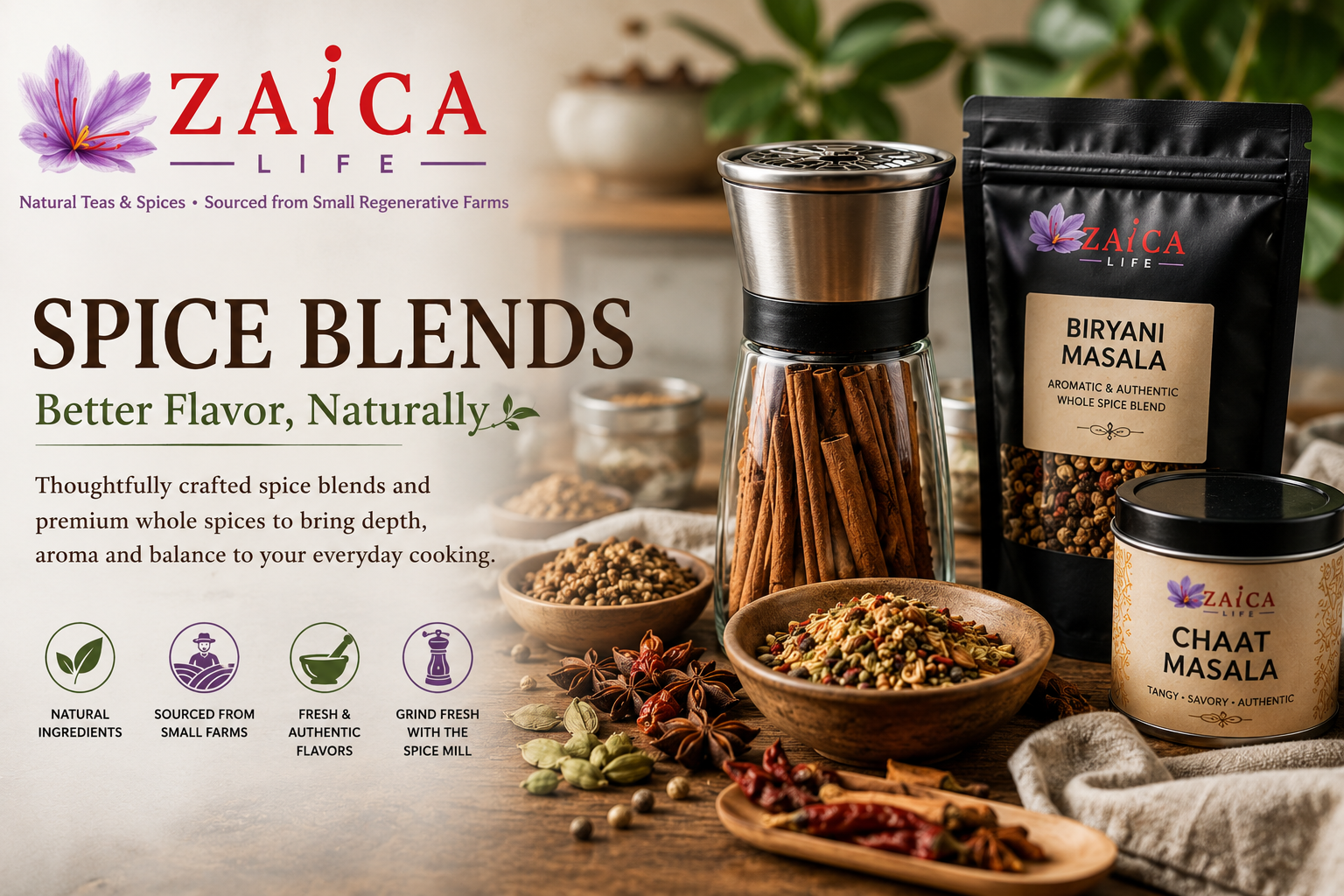
Zaica Life's collection includes several distinct options, including Biryani Masala, Chaat Masala, Chinese Five Spice, Mediterranean Spice, BBQ Spice, and Nasi Goreng Spice.
The goal isn't to own dozens of seasonings. A small selection that matches your cooking habits can be much more useful.
What Makes a Good Biryani Masala?
A good biryani seasoning should provide layers of aroma and warmth rather than relying on one dominant spice.
Biryani is traditionally built around fragrant rice, aromatics, spices, and vegetables or meat. Zaica Life's Biryani Masala includes ingredients such as cumin, black cardamom, Kashmiri chilies, ginger, black pepper, star anise, mace, green cardamom, fennel, cinnamon, coriander, cloves, and curry leaves. The spices are kept whole to help preserve freshness and allow cooks to toast and grind them as needed.
That approach gives home cooks more control over the final flavor. You can grind a portion for a particular recipe, toast the spices before cooking, or use the blend alongside fresh onions, garlic, herbs, and basmati rice.
It is especially useful when you want restaurant-style aromatic depth without building the entire spice cabinet from scratch.
Can a Spice Mill Make a Difference?
Yes—grinding whole spices shortly before use can help you experience their aroma at its freshest.
Ground spices gradually lose volatile aromatic compounds during storage. Grinding immediately before cooking reduces the amount of time those aromatic compounds spend exposed to air.
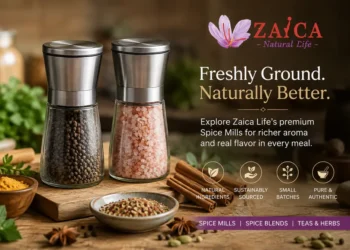
A quality spice mill makes this practical for everyday cooking. Zaica Life's medium mill uses lead-free glass, food-grade stainless steel, and an adjustable ceramic milling mechanism, allowing users to choose a finer or coarser grind.
This is particularly useful for spices such as cinnamon, pepper, coriander, and other whole seasonings.
For example, Alba Cinnamon in Mill lets you grind rolled cinnamon directly as needed. Zaica Life describes its Alba cinnamon as coming from the Idukki region of Kerala in India's Western Ghats, where it is traditionally harvested and processed.
Freshly milled cinnamon can be used in oatmeal, baked goods, coffee, roasted squash, stewed fruit, or savory dishes where a subtle sweet aroma works well.
How Can Chaat Masala Be Used Beyond Indian Street Food?
Chaat Masala works well anywhere you want a tangy, savory, slightly spicy finishing flavor.
Traditionally associated with Indian chaat dishes, this seasoning can also be used creatively in everyday American cooking.
Zaica Life's Chaat Masala combines contrasting flavors, including the sourness of dried mango and pomegranate, peppery heat, and a touch of sweetness from crushed jaggery. The result is a seasoning that can add brightness rather than simply heat.
Try a small pinch on:
-
Fresh fruit
-
Roasted potatoes
-
Popcorn
-
Cucumber and tomato salad
-
Avocado toast
-
Hummus
-
Roasted chickpeas
-
French fries
The trick is to start with a small amount. Tangy seasonings can become surprisingly powerful when used as a finishing touch.
Should You Buy Ground Spices or Whole Spices?
Choose ground spices for convenience and whole spices when freshness and control matter most.
Ground seasonings are ideal when you need to cook quickly. Whole spices, however, give you more flexibility because you can toast, grind, or use them intact depending on the recipe.
This is where a refillable mill becomes especially useful. Rather than keeping every seasoning permanently ground, you can grind smaller quantities as needed.
For home cooks who enjoy experimenting, the combination of whole spices and a reliable mill can turn seasoning into part of the cooking process rather than an afterthought.
How Should You Store Spices for Better Flavor?
Keep spices tightly sealed in a cool, dry place away from direct sunlight and unnecessary heat.
Humidity, heat, light, and prolonged exposure to air can gradually reduce the quality of many dried seasonings. Keeping containers closed between uses is one of the simplest ways to protect aroma.
Avoid storing frequently used spices directly beside a hot stove. While that location is convenient, repeated exposure to heat and steam isn't ideal for long-term storage.
Whole spices generally give you another advantage: because they have less exposed surface area than finely ground spices, they can retain their character longer when stored properly.
How Can You Use Spice Blends Without Over-Seasoning Food?
Add a little first, taste, and build the flavor gradually.
This is particularly important with blends containing salt, chili, or strongly aromatic ingredients.
For a new seasoning, start with a small amount and taste after it has had time to mix with the dish. You can always add more, but it is much harder to correct an overly seasoned meal.
Another useful technique is to divide seasoning between cooking and finishing. Add some during cooking to build background flavor, then use a small amount at the end to refresh the aroma.
Why Does Ingredient Sourcing Matter?
Where spices come from can influence the story, character, and connection behind what you put on your table.
Zaica Life is based in Ann Arbor, Michigan, and works with small farm partners to source teas and spices. That small-brand approach puts attention on individual ingredients rather than treating seasoning as an anonymous pantry commodity.
For home cooks, this can make exploring different cuisines more meaningful. A jar of seasoning becomes more than a shortcut—it becomes a way to discover ingredients, regional traditions, and new cooking techniques.
FAQ: Spice Blends
What are spice blends used for?
They are used to season food with a combination of complementary ingredients. They can be added during cooking or used as a finishing seasoning.
Are spice blends only for traditional recipes?
No. You can use them creatively on vegetables, meats, grains, eggs, soups, snacks, and salads. Chaat Masala, for example, can add tangy flavor to popcorn, fruit, and dips.
Is a spice mill worth having?
A mill can be useful if you regularly cook with whole spices. Grinding smaller quantities immediately before use gives you more control over texture and aroma.
What is the difference between whole and ground spices?
Whole spices generally have less surface area exposed to air, while ground spices are more convenient to use immediately. A mill gives you a middle ground by letting you grind whole spices when needed.
How do I start using spice blends?
Choose one blend that matches food you already enjoy cooking. Start with a small amount, taste as you cook, and gradually adjust the quantity to suit your preferences.
Bring More Flavor to Your Everyday Cooking
Good seasoning doesn't have to make cooking complicated. A thoughtfully selected blend, a dependable mill, and a few quality whole spices can give familiar recipes an entirely different character.
Whether you're preparing biryani, experimenting with Chaat Masala, baking with freshly milled cinnamon, or simply trying to make roasted vegetables more exciting, Zaica Life offers a practical way to explore natural spices and the traditions behind them.