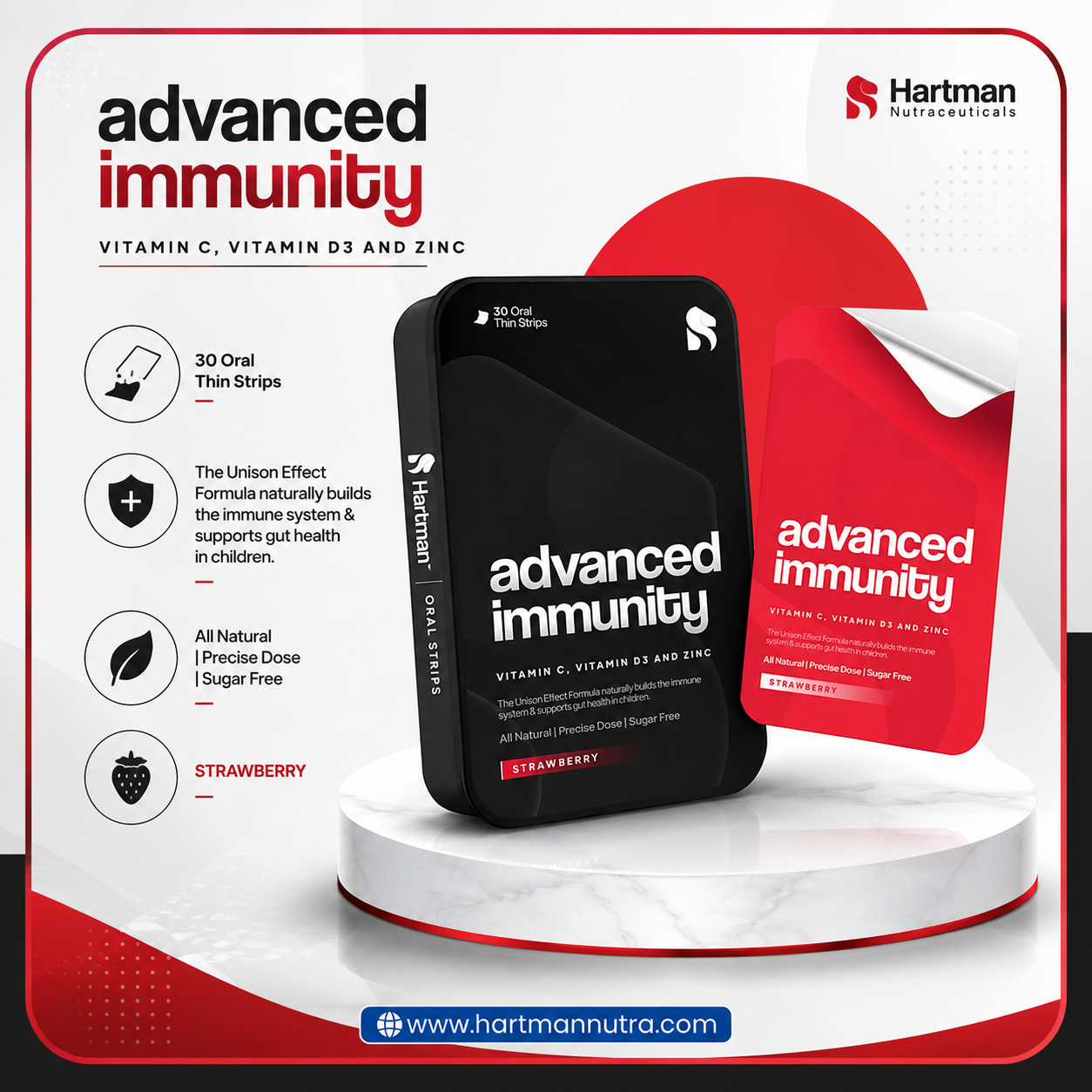
Fifty thousand units land at the port. Half the strips have gone tacky in transit. That's the moment most private label brands realize their oral strips manufacturer was actually a capsule facility that added a drying tunnel and called it innovation. Oral strips manufacturers who understand pullulan chemistry are rare. Facilities that just laminate flavoured gel onto foil are common — and they're the ones losing you shipments.
Here's the uncomfortable truth nobody puts in a pitch deck: thin-film production punishes shortcuts faster than any other nutraceutical format. A capsule hides a bad formulation inside a shell. A strip shows you its failure on the counter, cracked or clouded, before it ever reaches a consumer's tongue.
Inside the Film: What a Spec Sheet Won’t Tell You
-
Polymer Base Selection
Two polymer families dominate: pullulan and modified HPMC. Pullulan dissolves cleaner and faster — under 45 seconds typically — but runs nearly double the raw material cost. HPMC blends are cheaper and more forgiving on shelf life, though they can leave a faint residue if the plasticizer ratio drifts even slightly.
-
Active Loading Thresholds
Most buyers ask about flavour first and dosage capacity second. Wrong order. Strips carrying minerals like magnesium glycinate above 80mg per dose tend to crystallize during the drying phase, which cracks the film in ways that aren't visible until humidity hits it weeks later.
-
The Detail Everyone Skips
Batch-to-batch viscosity consistency. A film cast at the wrong viscosity dries unevenly — thinner at the edges, thicker at centre — and that means inconsistent dosing across a single sheet. Ask any oral thin film manufacturer in India for their viscosity logs, not just their finished-product specs.
Five Questions That Expose a Reseller Pretending to Be a Manufacturer
-
Do you run in-house dissolution testing per batch? A weak answer sounds like “our formula is proven, so we test periodically.” Proven formulas still fail during monsoon humidity spikes.
-
Single-source or dual-source polymer procurement? If they dodge with “we buy whatever's competitively priced,” expect texture variance between production runs — and a very awkward call with your quality team.
-
Can I see your current GMP certificate, not a renewal letter? A certificate “under renewal” is functionally expired. Regulatory bodies in the Gulf and EU won't accept the promise of paperwork.
-
What's the MOQ for a brand-new formulation? Vague non-answers usually mean the number is high enough to scare off first-time importers — and they'd rather you learn that after signing.
-
Who retains IP if the partnership ends? Silence here is the answer. Get formulation ownership terms in writing before R&D spend begins, not after.
Why the Format Keeps Winning Shelf Space
Oral strips solve a dosing problem tablets can't touch — no water, no swallowing resistance, which matters enormously for paediatric and geriatric consumers. That's a real market, not a wellness trend footnote.
Freight economics matter too. Strip packaging runs lighter than bottled capsules by a wide margin, and every gram saved on international freight protects margin that gummy and capsule brands are currently bleeding out.
And yet — the sharpest driver is differentiation. Walk any pharmacy aisle crowded with near-identical gummy SKUs, and a strip format is the only thing that visually breaks the pattern. Buccal absorption also gets certain activities, caffeine and melatonin especially, into the bloodstream faster than a swallowed dose.
Manufacturing From India: The Geography That Actually Matters
The Noida–NCR corridor has become a genuine production hub, and not by accident. Raw polymer imports move through fewer intermediary hands here than through southern clusters, which shortens lead time measurably. For oral strip manufacturing in India, that logistics advantage compounds — a Delhi-adjacent facility reaches Gulf and European buyers without the port congestion that routinely delays Mumbai-origin freight during monsoon months.
About Us
We started formulating nutraceuticals in-house, and we didn't touch strip production until we'd spent real money proving our dissolution data held up outside lab conditions. In 2022, we discontinued one gelatin-adjacent film blend after two export batches showed tackiness complaints from a Gulf distributor during a humid stretch. We rebuilt the formulation around a pullulan-dominant base instead. That correction cost us a quarter of margin on that SKU. We made it anyway, because a rejected container costs more than a reformulation ever will.
What to Send Us
Send your target activities, dosage per strip, and expected order volume. We respond within 24 business hours with a formulation feasibility note — not a generic quote. MOQ for a new formulation starts at 50,000 units per SKU.
Where This Actually Leaves You
Oral strips manufacturers who treat film chemistry with the rigor pharma coating demands are the ones building repeat export relationships. The ones bolting a strip line onto existing capsule infrastructure are the ones you'll hear about in a complaint thread, not a case study.
FAQs
Q1: How long do fast dissolving oral strips typically last on shelf?
18 to 24 months for stable activities. Humidity-sensitive ingredients can drop that to 12 months without proper barrier packaging.
Q2: Can strips carry high-dose activities like 500mg vitamin C?
Not well. Past 100mg per dose, films thicken, turn brittle, and dissolve slower than claimed. We'll flag that mismatch before quoting, not after.
Q3: Is refrigerated shipping required for oral dissolving films?
Usually not, unless the active itself is heat-sensitive. Standard formulations tolerate ambient export conditions fine.
Q4: How long does private label onboarding take with an oral film manufacturer?
Four to six weeks for feasibility. Ten to twelve weeks for full production readiness including stability testing.
Q5: Is flavor masking genuinely difficult for mouth dissolving strips?
More than most buyers expect. Bitter activities like caffeine need layered masking agents, and that adds real cost — we won't pretend it doesn't.
Q6: Which certifications should I verify before signing?
ISO 9001, GMP, and FSSAI or equivalent export licensing — current documents only, never a renewal promise.
Q7: Can strip shape and packaging be customized for branding?
Yes, within limits. Die-cut custom shapes are possible but raise per-unit cost above standard rectangular strips.