Power efficiency is a critical consideration in modern electrical systems, particularly in commercial and industrial environments where energy consumption is high. One of the key factors influencing electrical performance is power factor, which measures how effectively electrical power is being utilized. A poor power factor can lead to increased energy losses, higher operating costs, reduced system capacity, and unnecessary stress on electrical equipment. Power factor correction helps address these issues by improving energy efficiency and optimizing system performance. Understanding its importance allows organizations to reduce waste, enhance reliability, and achieve more effective energy management.

Understanding Power Factor
Power factor is the ratio between real power, which performs useful work, and apparent power, which represents the total power supplied by the electrical system. It indicates how efficiently electrical energy is being converted into productive output.
A power factor close to one signifies efficient utilization of electricity, while a lower value indicates inefficiencies within the system. Many industrial and commercial facilities experience low power factor due to the extensive use of inductive loads such as motors, transformers, compressors, and pumps.
These loads require reactive power, which contributes to overall electrical demand without performing useful work.
What Causes Poor Power Factor?
Several factors can contribute to poor power factor in electrical systems.
- Inductive Equipment
Electric motors and transformers create magnetic fields that require reactive power, reducing the overall power factor.
- Variable Load Conditions
Facilities with fluctuating electrical demands often experience variations in power factor throughout the day.
- Aging Equipment
Older electrical systems may operate less efficiently, increasing reactive power consumption.
- Improper System Design
Inadequate planning and equipment selection can result in unnecessary reactive power demand.
Identifying these causes is the first step toward implementing effective power factor correction measures.
The Importance of Power Factor Correction
Power factor correction is the process of reducing reactive power and improving the efficiency of electrical systems. It offers numerous benefits for facilities that rely on large-scale electrical infrastructure.
- Reduced Energy Losses
Poor power factor increases current flow within the system. Higher current levels generate additional heat and energy losses in conductors and equipment.
By improving power factor, facilities can reduce these losses and enhance overall efficiency.
- Improved System Capacity
When reactive power demand decreases, more electrical capacity becomes available for productive use. This allows organizations to maximize the utilization of existing infrastructure.
- Enhanced Equipment Performance
Efficient power utilization reduces stress on electrical components and contributes to improved equipment reliability.
These advantages make power factor correction an important element of modern energy management strategies.
The Role of Capacitors in Power Factor Correction
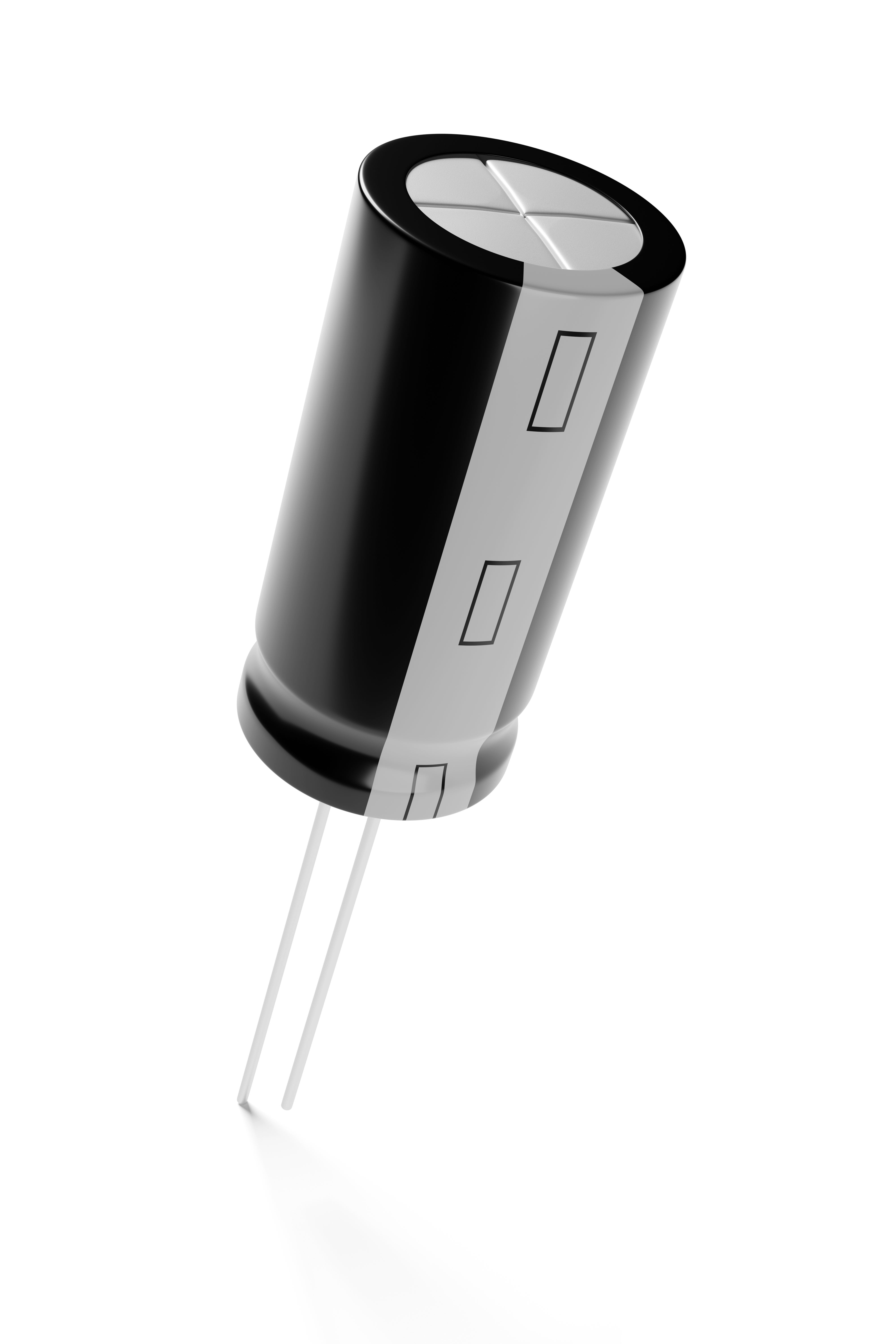
Capacitors are among the most widely used solutions for correcting power factor. They generate reactive power locally, helping offset the reactive power consumed by inductive loads.
A PF capacitor plays a vital role in reducing the amount of reactive power drawn from the electrical supply. By providing compensation directly within the system, it improves overall efficiency and supports better electrical performance.
Capacitors can be installed at various points within an electrical network depending on operational requirements and system design objectives.
Benefits of Improved Power Factor
Power factor correction delivers both operational and financial advantages.
- Lower Electricity Costs
Many utilities impose penalties when facilities operate with poor power factor. Improving power factor can help reduce these charges and lower overall electricity expenses.
- Reduced Voltage Drops
Excessive current flow often leads to voltage drops across the electrical network. Better power factor helps maintain more stable voltage levels.
- Extended Equipment Life
Lower current levels reduce heating effects on conductors, transformers, and other electrical components, contributing to longer equipment life.
- Improved Energy Efficiency
Efficient use of electrical power supports sustainability goals and reduces unnecessary energy consumption.
These benefits demonstrate why power factor correction is widely adopted across industrial and commercial sectors.
Components Used in Power Factor Correction Systems
Effective power factor correction systems typically consist of several key components working together to manage reactive power demand.
- Capacitor Banks
Capacitor banks provide the reactive power required to improve power factor and support efficient system operation.
- Control Systems
Automatic controllers monitor system conditions and adjust capacitor operation as needed.
- Switching Devices
A contactor switch is commonly used to connect or disconnect capacitor banks in response to changing load conditions. This allows power factor correction systems to operate efficiently under varying electrical demands.
Together, these components create a dynamic and responsive solution for managing power quality.
Automatic Power Factor Correction
Modern facilities increasingly rely on automatic power factor correction systems to maintain optimal performance.
- Continuous Monitoring
Automatic systems continuously monitor electrical conditions and determine the amount of reactive power compensation required.
- Dynamic Adjustment
Capacitor banks can be switched in or out of service based on real-time demand.
- Improved Accuracy
Automation ensures precise control and consistent power factor performance.
An appropriately selected contactor switch supports these systems by enabling reliable operation and efficient switching of correction equipment.
Impact on Industrial Operations
Industrial facilities often operate numerous inductive loads simultaneously. Without correction measures, these loads can significantly reduce overall system efficiency.
- Manufacturing Plants
Production facilities benefit from improved equipment performance and reduced energy losses.
- Processing Industries
Continuous-process operations require stable electrical conditions to maintain productivity and product quality.
Large-scale infrastructure installations rely on efficient power distribution to support reliable operation.
In these environments, a properly sized PF capacitor can contribute substantially to improved electrical efficiency and reduced operating costs.
Common Challenges in Power Factor Correction
While power factor correction offers many benefits, several challenges should be considered during implementation.
- Overcompensation
Excessive capacitor capacity can result in an excessively high power factor, creating operational concerns.
- Harmonic Distortion
Certain electrical loads generate harmonics that may affect capacitor performance and system stability.
- Improper Equipment Selection
Selecting inappropriate correction equipment can limit effectiveness and reduce overall benefits.
Careful system analysis and proper engineering practices help address these challenges and ensure successful implementation.
Maintenance of Power Factor Correction Systems
Regular maintenance is essential for maintaining reliable performance.
- Routine Inspections
Periodic inspections help identify wear, overheating, and component degradation.
- Capacitor Testing
Testing verifies the continued effectiveness of installed capacitors.
- Switching Device Verification
A contactor switch should be inspected regularly to ensure proper operation and reliable switching performance.
Consistent maintenance supports long-term efficiency and minimizes the risk of unexpected failures.
Future Trends in Power Factor Management
Advancements in electrical technology continue to improve power factor correction capabilities.
- Smart Monitoring Systems
Digital monitoring tools provide real-time insights into power quality and system performance.
- Predictive Maintenance
Data-driven analysis helps identify potential issues before failures occur.
- Integrated Energy Management
Power factor correction is increasingly being integrated into broader energy optimization strategies.
- Advanced Compensation Technologies
New solutions are being developed to improve performance in complex electrical environments.
As facilities continue to pursue higher efficiency standards, the importance of power factor correction will only increase.
A well-designed PF capacitor solution remains one of the most effective tools for achieving these objectives.
Conclusion
Power factor correction plays a vital role in improving electrical efficiency, reducing energy losses, and enhancing the performance of electrical systems. By minimizing reactive power demand, organizations can lower operating costs, improve equipment reliability, and maximize the capacity of existing infrastructure. Through the use of capacitors, automated controls, and effective switching mechanisms, facilities can maintain optimal power quality and support long-term operational success. With its extensive expertise in electrical and automation solutions, Lauritz Knudsen Smartshop continues to contribute to the development of efficient, reliable, and future-ready electrical systems across diverse industries and applications.