India rarely fits neatly into one itinerary, and that becomes obvious the moment travellers try to combine the historic north with the very different rhythm of the south. Delhi, Agra and Jaipur offer centuries of Mughal and Rajput history, while South India brings temple heritage, coastlines, backwaters, wildlife and wellness experiences that feel like an entirely different country. Planning a luxury Golden Triangle tour with South India means answering a few practical questions before anything else: how much of India can realistically be covered, which destinations deserve priority, how many days are actually needed, and how the journey between regions should be organised so the trip stays comfortable rather than exhausting.
This guide walks through those questions in order, so you can build an itinerary that feels considered rather than rushed.
Why Combine the Golden Triangle with South India?
The Golden Triangle and South India offer contrasting sides of the same country, which is exactly what makes combining them appealing. Delhi mixes historic monuments with a fast-moving modern capital, Agra is built around Mughal heritage and the Taj Mahal, and Jaipur brings forts, palaces and centuries of royal history — none of which South India offers in the same way.
South India adds a different register entirely: ancient temple towns, tropical backwaters, wildlife reserves, coastal stretches, plantation hills, and Ayurveda and wellness traditions practised for generations. A traveller who visits only the north sees India's imperial history; one who adds the south sees its natural landscapes and living traditions too. A luxury Golden Triangle tour with South India rewards travellers who have enough time to do it properly — it is not automatically the right choice for a short trip, and shorter visits are often better served by focusing on one region alone.
How Many Days Do You Need for a Golden Triangle and South India Tour?
There is no single correct trip length, but the number of days available should directly shape how many destinations you choose.
Around 10–12 Days
This window works, but only with careful destination selection. A focused South India extension — one or two locations rather than a full regional tour — keeps the pace realistic. Trying to add more than that in under two weeks usually means too many hotel changes and too little time to actually experience each place.
Around 14–16 Days
This range tends to allow a more balanced combination of the Golden Triangle with a couple of well-chosen South Indian destinations, including some slower days built in rather than sightseeing every single day.
17 Days or Longer
Longer trips create genuine flexibility. Travellers can spend more unhurried time in each destination, add an extra region if it suits their interests, and build in rest days without feeling like they are sacrificing something else on the itinerary.
These figures are starting points for planning conversations, not fixed rules. The real work behind any luxury Golden Triangle tour with South India is matching the day count to the destinations you actually want to see, rather than the other way around.
Start with the Golden Triangle: Delhi, Agra and Jaipur
Delhi, Agra and Jaipur are grouped together because they sit within manageable travelling distance of one another and, together, tell a coherent story of Indian history across several centuries.
Delhi
Delhi is where most international travellers begin, both because of its major airport connections and because it offers an immediate contrast between historic quarters and a modern capital. Old Delhi's monuments and markets sit alongside colonial-era landmarks and contemporary neighbourhoods, giving an efficient introduction to the country.
Agra
Agra's identity is built almost entirely around Mughal heritage, and the Taj Mahal in particular. Because of visitor volumes and light conditions, sightseeing timing matters here more than at most other stops, and accommodation choice can meaningfully affect how relaxed the visit feels.
Jaipur
Jaipur brings forts, palaces and a strong sense of Rajasthan's royal past, from hillside fortifications to city palaces still connected to the region's ruling families. It is a natural point at which to complete the Golden Triangle before continuing on.
Choosing the Right South India Extension
South India is not one destination — it is several distinct states, each with a different character, and treating it as a single stop is one of the more common planning mistakes.
Kerala for Nature, Backwaters and Wellness

Kerala is built around backwaters, tropical landscapes, hill regions and plantation country, along with a long-standing wellness tradition. It suits travellers who want a slower, relaxed contrast after several days of monument-heavy sightseeing further north.
Tamil Nadu for Temple Heritage and Culture
Tamil Nadu offers some of India's most significant historic temples, alongside classical architecture and living cultural traditions stretching back over a thousand years. It appeals most to travellers whose primary interest is heritage rather than nature or relaxation.
Karnataka for Heritage, Nature and Diverse Landscapes
Karnataka combines heritage sites with varied natural landscapes, making it a reasonable option for travellers wanting a mix of cultural and outdoor experiences within one state. As with Tamil Nadu, it is worth including only if it genuinely matches what you want from the trip.
Why Kerala Works Well After the Golden Triangle
After several days of monuments, forts, museums and busy city streets, many travellers start looking for a change of pace — and this is where Kerala tends to fit naturally, with backwaters, plantation country and coastal stretches offering a slower rhythm than anything in Delhi, Agra or Jaipur.
That contrast is why Kerala appears so often as a South India extension to Golden Triangle itineraries. It is not the right choice for every traveller, but it tends to suit those whose ideal trip blends cultural sightseeing with genuine downtime rather than sightseeing from morning to night.
Planning a Luxury Golden Triangle Tour with Kerala
A workable version of this route generally follows a similar shape, even though the specific destinations and pacing should be adjusted to your interests and available time:
- Begin in Delhi to settle in and start sightseeing
- Continue to Agra
- Visit Jaipur to complete the Golden Triangle
- Travel to South India using whichever transport arrangement suits the itinerary
- Continue with selected Kerala destinations
- Build in enough time for slower experiences rather than moving on every day
How many Kerala destinations you include should depend on how many days remain after the Golden Triangle portion of the trip — two well-chosen stops with time to settle in usually work better than four rushed ones. For travellers who want a private itinerary built around this route, a luxury Golden Triangle tour with Kerala is one way to see how this combination can be structured in practice.
How to Travel Comfortably Between North and South India
India's size means long-distance travel planning deserves real attention rather than an afterthought.
- Domestic flights are typically the practical option for the longer north-to-south leg
- Private road transport works well within a single region, where distances are shorter
- Train travel can fit certain itineraries, depending on the route and preference
- Airport transfers and luggage handling are worth planning ahead with multiple stops
- Minimising backtracking keeps both travel time and cost more reasonable
The right combination depends on your destinations, the time available and how much comfort you want built into transit days. It is worth resisting the temptation to add “just one more” stop if it means an awkward transfer.
Choosing Luxury Accommodation Across Different Regions
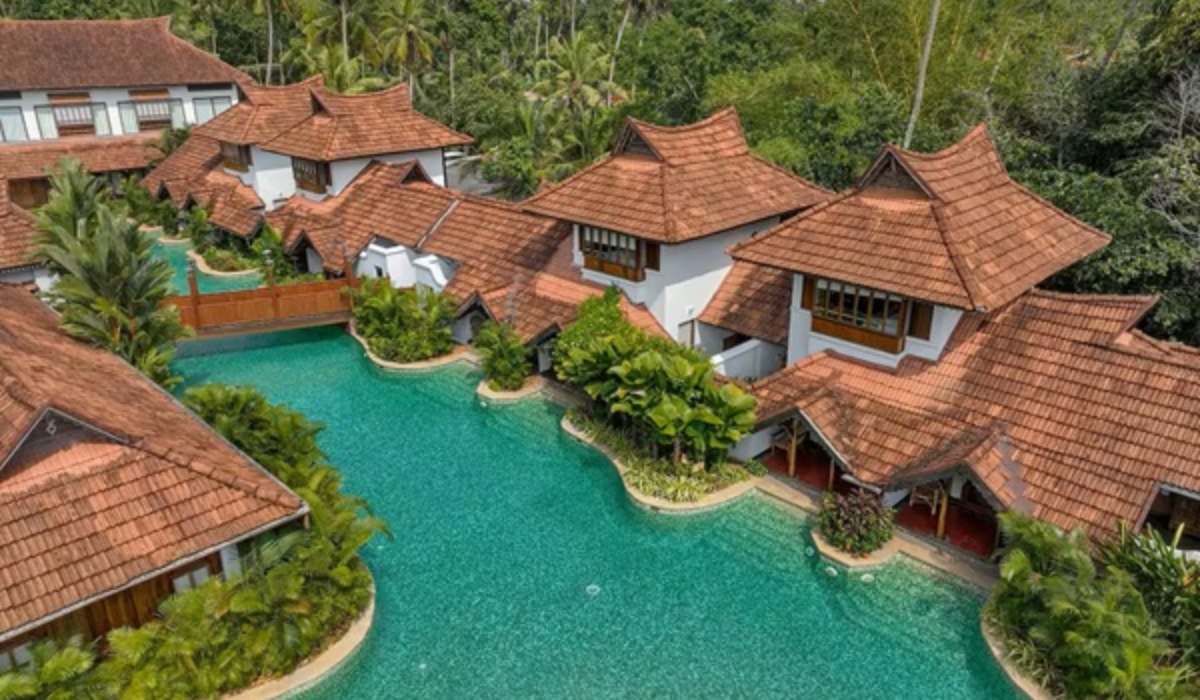
A luxury India journey naturally spans different styles of accommodation, because no single hotel type suits every region: heritage hotels, palace-style properties, boutique hotels, luxury resorts, backwater resorts and wellness retreats all have a place.
A heritage-style stay often fits a Rajasthan leg of the trip well, connecting guests to the region's royal history, while a resort or wellness-focused property tends to suit part of a Kerala itinerary better. Matching the accommodation style to each region, rather than one hotel type for the whole trip, generally produces a more well-rounded experience.
How to Avoid Making a Long India Trip Too Rushed
This is where many otherwise well-planned itineraries go wrong, so it deserves priority rather than being an afterthought.
- Limit the number of destinations to what the available days can genuinely support
- Avoid changing hotels every single night
- Keep sightseeing schedules realistic rather than packed
- Build in downtime between demanding sightseeing days
- Account for the physical demands of heat, walking and travel days
- Avoid unnecessary backtracking between destinations
- Choose logical arrival and departure points for the route
- Plan long-distance transfers with enough buffer time
Luxury travel tends to benefit far more from extra time and flexibility than from adding more destinations. A shorter list of well-paced stops usually beats a long list of rushed ones.
Sample Itinerary Ideas for a Luxury Golden Triangle Tour with South India
These are general examples of how the trip lengths above might translate into a route, not fixed packages.
A Focused 12-Day Journey
A tighter timeframe like this generally works best with the Golden Triangle followed by a limited South India extension — one or two destinations, kept deliberately focused.
A Balanced 15-Day Journey
Additional days here typically translate into more time in each South Indian destination, rather than more destinations, allowing for a slower pace once travellers arrive in the south.
A Longer 18-Day or More Journey
A longer trip like this can support a broader range of experiences — perhaps Kerala alongside Tamil Nadu or Karnataka — while still keeping a comfortable, unhurried pace throughout.
What to Check Before Booking a Luxury India Tour
A few practical checks can prevent a beautifully planned itinerary from feeling rushed once you are actually on the ground.
- Itinerary pace — how often hotels change, and whether the daily travel plan is realistic
- Accommodation — hotel category, room type and which meals are included
- Transportation — vehicle arrangements, airport transfers and whether services are private or shared
- Sightseeing and experiences — whether guides, entrance fees and optional experiences are included
- Flexibility — whether changes or personal preferences can be accommodated
- Booking conditions — cancellation, payment and amendment policies
Not every luxury tour includes the same services, so it is worth confirming these details rather than assuming.
Common Mistakes to Avoid When Combining North and South India
A handful of planning mistakes come up repeatedly:
- Trying to visit too many destinations in too little time
- Treating South India as a single destination rather than several distinct states
- Underestimating how large India actually is
- Scheduling too many hotel changes
- Ignoring the realities of long-distance transport
- Booking without checking what is actually included
- Choosing destinations purely on popularity rather than personal interest
- Leaving no time for rest between demanding sightseeing days
- Adding a South India extension without allowing enough days to enjoy it properly
Avoiding these is usually less about adding more planning and more about being disciplined with what to leave out.
Frequently Asked Questions
Can I combine the Golden Triangle with South India in one trip?
Yes — this is a well-established route for travellers with enough time available, and it works best with realistic destination selection rather than trying to see everything in both regions.
How many days do I need for a luxury Golden Triangle and South India tour?
Around 10–12 days can work with a focused South India extension, while 14–16 days allows a more balanced trip. Journeys of 17 days or more offer the most flexibility.
Which South Indian destinations are best to combine with Delhi, Agra and Jaipur?
Kerala, Tamil Nadu and Karnataka are the most common choices, suited respectively to nature and wellness, temple heritage, or a mix of culture and landscapes.
Is Kerala a good extension after the Golden Triangle?
Often, yes — it offers a slower, nature-focused contrast to the sightseeing-heavy pace of Delhi, Agra and Jaipur, though it should still be chosen based on personal interest.
How should I travel between North India and South India?
Domestic flights are typically the practical choice for the long-distance leg, with private road transport used within each region depending on your route.
Can a Golden Triangle and Kerala itinerary be planned as a private tour?
Yes, this combination is commonly arranged as a private, guided journey, allowing the pace and destinations to be adjusted to the traveller's interests.
Is 10 days enough to visit the Golden Triangle and South India?
It can be, provided the South India portion is limited to one or two destinations. Trying to cover more than that in 10 days usually leads to a rushed experience.
Final Thoughts: Creating a More Meaningful Luxury India Journey
Combining North and South India can create a genuinely rich journey, one that pairs centuries of Mughal and Rajput history with the backwaters, temples and landscapes further south. The difference between a trip that feels rewarding and one that feels exhausting usually comes down to a few decisions: a realistic number of destinations, enough time in each region, comfortable long-distance travel, well-matched accommodation, and a balance between heritage, culture, nature and relaxation that fits your interests.
A well-planned luxury Golden Triangle tour with South India is less about covering as much ground as possible and more about choosing the right places and giving them time. If you are exploring how to plan a private, well-paced journey through both regions, it helps to talk through the route with someone familiar with the practical details of travel between them.